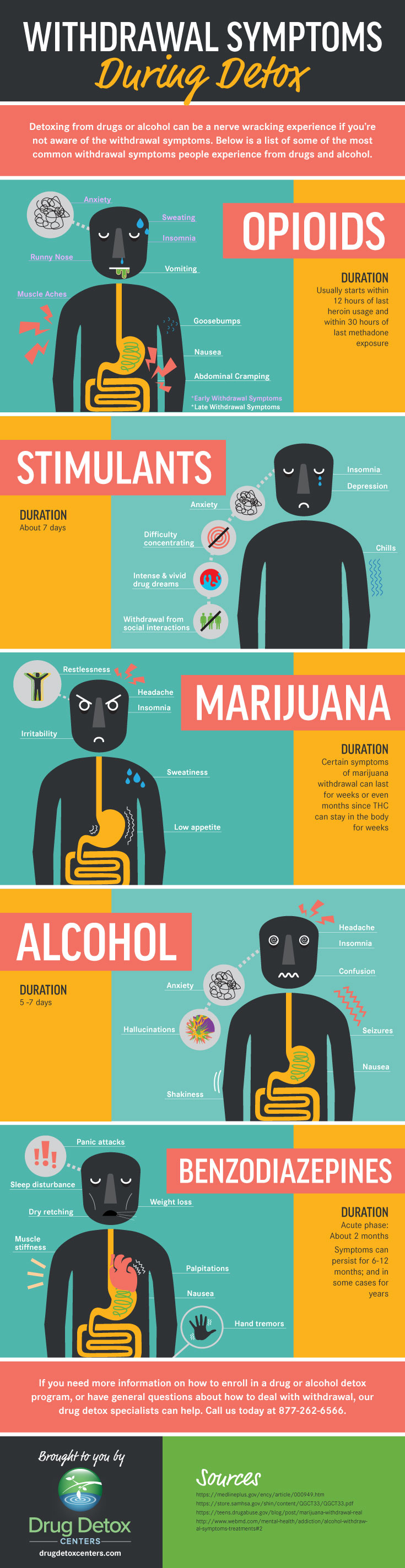
Picking the ideal recuperation program for chemical abuse can feel frustrating. You might be unsure whether inpatient care or outpatient support suits your needs best. Each option has its strengths, and understanding these can help you make a notified decision. Then there are behavioral therapies and support groups, which play significant functions in recuperation. What elements should you take into consideration when selecting a therapy strategy that helps you? Let's discover these essential elements together.
Comprehending Inpatient vs. Outpatient Therapy Programs
When considering drug abuse treatment, how do you choose between inpatient and outpatient programs?
Inpatient treatment provides a structured atmosphere where you live at the facility, allowing for 24/7 support. This option can be optimal if you need much more intensive supervision or battle with severe dependency. You're immersed in therapy, which can promote emphasis and commitment.
On the various other hand, outpatient programs provide flexibility, letting you participate in sessions while keeping daily responsibilities like work or school. This might be better if your support group is solid and you can manage triggers outside a controlled atmosphere.
Weigh your individual situations, extent of dependency, and way of life elements to make the best option for your recovery trip.
Exploring Behavioral Therapies and Their Benefits
As you check out treatment alternatives for chemical abuse, comprehending behavioral therapies can significantly affect your healing.
These treatments, like Cognitive Behavior Modification (CBT) and Dialectical Behavior Therapy (DBT), focus on changing unfavorable idea patterns and actions. They aid you identify triggers and create dealing approaches, making it much easier to handle desires and anxiety.
Taking part in these therapies typically causes improved psychological regulation and strength, encouraging you to manage your recovery trip better.
Additionally, they can enhance your communication skills and connection characteristics, sustaining a much healthier way of living.
The Function of Support Groups in Recovery
Support groups play an important function in your recuperation trip, offering a feeling of neighborhood and shared experience that's hard to locate elsewhere. Involving with others who recognize your struggles can supply comfort and motivation.
In these setups, you can openly share your ideas and feelings without judgment, fostering a strong feeling of belonging. https://darrin-cathrine27kory.blogbright.net/how-much-time-is-required-for-alcohol-and-drug-rehab-a-description-of-the-timeline aid you remain answerable, motivating you to maintain your progress and remain dedicated to your goals.
look at here 'll likewise find out dealing strategies from peers who have actually encountered similar difficulties, making your trip feel much less isolating. Eventually, support system remind you that you're not the only one, equipping you to navigate the ups and downs of healing with a network that truly appreciates your wellness.
Variables to Think About When Picking a Therapy Option?
Picking a therapy option for chemical abuse isn't a one-size-fits-all decision; it calls for careful consideration of different factors.
First, assess your specific needs. Do you favor inpatient or outpatient treatment?
Next off, think about the seriousness of your dependency and any kind of co-occurring mental health issues.
Explore the treatment techniques offered-- are they evidence-based?
Also, think of https://www.deadlinenews.co.uk/2022/07/12/how-to-recover-from-alcoholism/ and whether it fits your schedule.
Affordability is crucial also; check if your insurance covers the therapy.
Lastly, study the center's track record and success rates. Talk with graduates or check out reviews to assess their experiences.
Conclusion
Picking the best healing program is vital for your trip to sobriety. Whether you choose inpatient treatment's structured support or the adaptability of outpatient programs, it's all about what fits your needs. Do not overlook the power of behavior modifications and support system; they can significantly boost your recuperation experience. Put in the time to assess your alternatives, and keep in mind that the appropriate selection can make all the difference in achieving long lasting adjustment. Your course to recovery begins now!